LF logo
by learnformula
search
Log in
search
Courses/Counseling & Psychotherapy/Counselor Professional Identity and Practice Issues

Interventions for Building Family Support and Resiliency

Strategies for Mitigating Risk and Enhancing Support in Family Dynamics
Created byCOUNSELOR'S CHOICE AWARD ®
BeginnerUpdated May 5, 2024
Interventions for Building Family Support and Resiliency

What You'll Learn

check_circleLearner will be able to identify what a risk factor and protective factor is and is not and list one example of each.
check_circleLearner will be able to identify how aces impact communities, families, and individuals.
check_circleLearner will be able to identify Risk factors for individuals and at least 1 intervention for use with individuals.
check_circleLearner will be able to identify Risk factors for families and at least 1 intervention for use with families.
check_circleLearner will be able to identify Risk factors for sexual assault and at least 1 intervention for preventing it or addressing it after.
check_circleLearner will be able to identify prevention (resiliency) for individuals, families, and communities.

About This Course

Families face risks for addiction, child sexual abuse, violence, and other major causes of toxic stress. This course will review the evidence provided by research and teach mental health professionals how to integrate interventions to reduce risks and build resiliency into their practice.

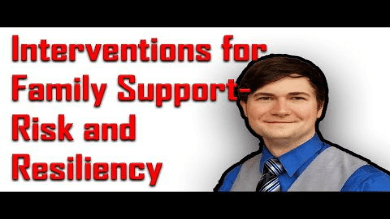
In this 2-hour continuing education webinar, Leo DeBroeck, MS, LMHC, CMHS, MHP will explain the impact of risk factors on individuals, families, and communities. He will discuss the interventions that can be used to reduce these risks including examples of how to implement them into practice. In addition, he will discuss research on the current understanding of efforts of building resiliency versus reducing risks if further discussed in context of using the information in a psychoeducational way. He will outline the clinical use of these strategies, handouts, and Socratic values-based questioning.

This continuing education webinar is designed to help mental health professionals: 
  1. Identify what a risk factor and protective factor is and is not and list one example of each.
  2. Identify how Adverse Childhood Experiences (ACEs) impact communities, families, and individuals.  
  3. Identify risk factors for individuals and at least one intervention for use with individuals.
  4. Identify risk factors for families and at least one intervention for use with families.
  5. Identify risk factors for sexual assault and at least one intervention for preventing it or addressing it after.
  6. identify prevention (resiliency) for individuals, families, and communities.

Your Instructor

COUNSELOR'S CHOICE AWARD ®

Products, Services, Continuing Education, and Facilities Reviewed by Licensed Mental Health Therapists Distinguishing quality healing tools, books, trainings, and products.

menu_book11 courses
star5 reviews

Our Accredited Continuing Education credits are taught by practicing licensed counselors that are specifically tailored to help clinicians with their therapy practice. We make it easier for your therapy tools and clinics to stand out and distribute winners' information to our following of clinicians who will use them. Improving the field of mental health and behavioral health through rigorous evaluation of goods and services through evidenced-based research. Counselor's Choice Award® reviews products and services intended to serve as tools in the mental and behavioral health field. We set the standard for products and services that have scientific evidence supporting their effectiveness. At Counselor's Choice Award, well-being is at the forefront of what we’re working together towards. Learn more about the positive impact we have and join us in bringing about positive change.

Credit Information

What Students Are Saying

0.0
Student's Choice
0 reviews

Frequently Asked Questions

We are a registered provider with 327+ associations and regulatory bodies worldwide. We operate across 29 global markets including Canada, the US, Australia, and the UK. Every course page clearly displays its specific accreditations. Upon completion, you receive a professional certificate that can be validated online. Our certificates include all necessary accreditation details, credit hours, and completion dates, and are formatted specifically to meet the submission requirements of most global regulatory bodies.

You May Also Like

Communication: Nonverbal Communication

How to Interview Like the Dickens

star5.0(1)
1.5 CPD hrs
Ethics: Ethics for Accountants

Beyond Logic: Mastering Ethical Conversations

star5.0(24)
1 CPD hr
Ethics: Business Ethics

Ethics Under Pressure: A Framework for Difficult Decisions

star4.9(35)
1 CPD hr